How to Protect Your Child’s Teeth During Sports
Simple steps parents can take to prevent sports-related dental injuries
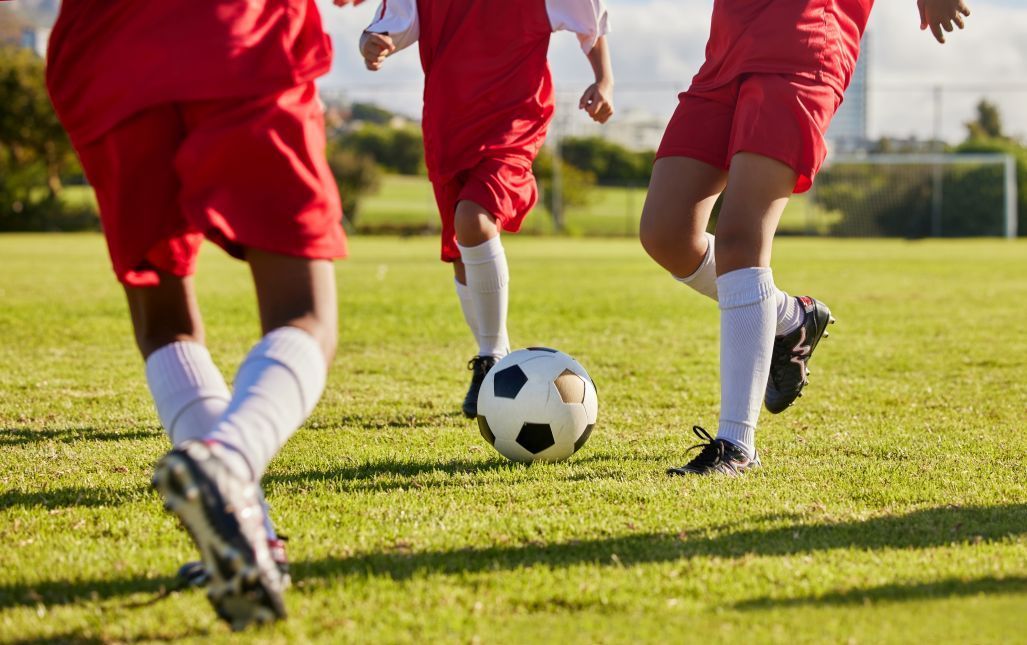
Sports are one of the best ways for children to stay active, build confidence, make friends, and develop healthy habits that can last a lifetime. However, with every game, practice, and competition comes the possibility of injury - including injuries to the teeth and mouth.
Dental injuries are more common in youth sports than many parents realize. A fall, collision, or stray ball can result in chipped teeth, broken teeth, knocked-out teeth, cuts to the lips or tongue, or jaw injuries. Fortunately, many of these injuries are preventable with the right protective equipment and a few simple precautions.
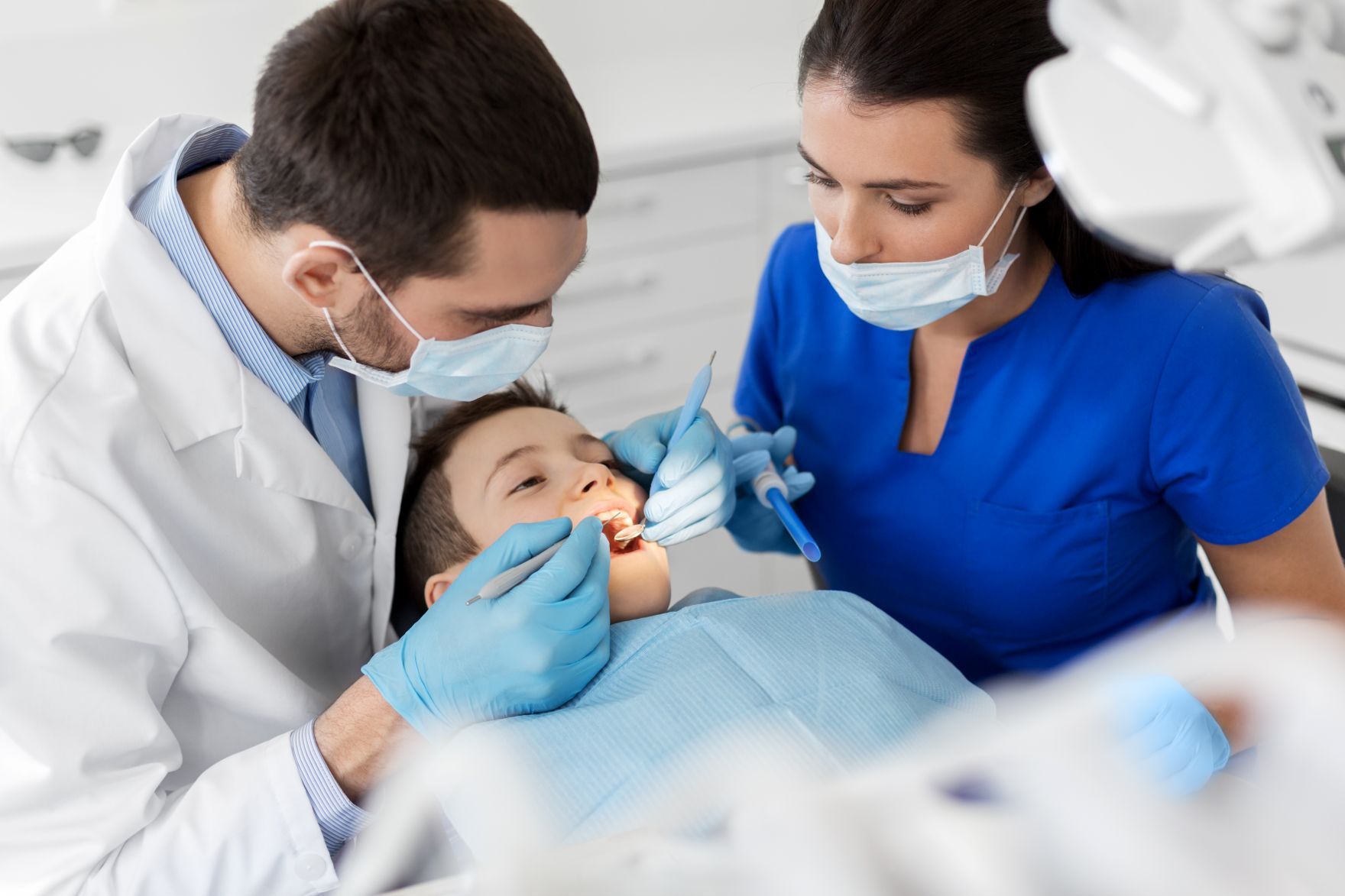
At our pediatric dental practice, we believe prevention is always the best treatment. Here's what every parent should know about protecting their child's smile during sports and what to do if a dental emergency happens.
Why Dental Protection Matters
Children's teeth are especially vulnerable during sports because they are still developing. While baby teeth eventually fall out,
they still play an important role in guiding permanent teeth into place, supporting speech development, and allowing children to eat comfortably. Permanent teeth, once lost or severely damaged, may require extensive treatment that can last well into adulthood.
Sports-related dental injuries can include:
- Chipped or cracked teeth
- Fractured roots
- Knocked-out permanent teeth
- Loose or displaced teeth
- Cuts to the lips, cheeks, or tongue
- Jaw fractures
- Damage to orthodontic appliances
These injuries can be painful, expensive to treat, and emotionally upsetting for children. Taking preventive measures can significantly reduce the risk.
Which Sports Carry the Greatest Risk?
Many parents associate dental injuries with high-contact sports like football or hockey, but injuries can occur in nearly any activity.
Even sports that seem less dangerous can result in dental trauma. Gymnastics, skateboarding, biking, cheerleading, horseback riding, and volleyball all involve falls or accidental impacts that may injure the mouth.
If there's any chance your child could be hit by another player, sports equipment, or the ground, it's worth considering protective dental gear.
The Importance of Wearing a Mouthguard
The single most effective way to protect your child's teeth during sports is by wearing a properly fitted mouthguard. A mouthguard cushions impacts to the mouth, helping absorb and distribute force before it reaches the teeth and jaw. This reduces the likelihood of broken teeth, knocked-out teeth, soft tissue injuries, and even some jaw injuries.
Many organized sports now require mouthguards, but even when they're optional, we strongly recommend wearing one.
There are three primary types of sports mouthguards:
- Stock Mouthguards: These are pre-made and sold in sporting goods stores. While they are easy to find and affordable, they often offer less protection because they don’t fit precisely and may interfere with breathing or speaking.
- Boil-and-Bite Mouthguards: These mouthguards soften in hot water and are molded to your child's teeth. These are moderately priced and offer a better fit than stock guards.
- Custom-Fitted Mouthguards: Custom mouthguards are created by your pediatric dentist using impressions or digital scans of your child's teeth. While custom mouthguards typically cost more upfront, they often provide the greatest protection and comfort, making children more likely to wear them consistently.
Children with Braces Need Extra Protection
If your child wears
braces or other orthodontic appliances, mouth protection becomes even more important. A blow to the face can cause brackets and wires to cut the lips and cheeks or damage both the braces and teeth.
Fortunately, orthodontic mouthguards are specifically designed to fit comfortably over braces while providing excellent protection.
If your child has braces and participates in sports, ask your pediatric dentist or orthodontist which type of mouthguard is most appropriate.
Always Wear the Right Helmet
Helmets don't directly protect teeth, but they reduce the force of impacts that can lead to facial and jaw injuries. Children should wear sport-specific helmets that fit properly and meet current safety standards.
A helmet should sit level on the head, fit snugly without being uncomfortable, and remain securely fastened during activity.
Encourage Safe Play
Protective equipment works best when combined with good sportsmanship and safe playing habits. Teach your child to:
- Follow the rules of the sport
- Avoid unnecessary rough play
- Stay alert during practices and games
- Wear all recommended protective gear
- Report damaged equipment immediately
- Never remove a mouthguard during active play
Coaches also play a valuable role by reinforcing safe techniques and encouraging proper use of protective equipment.
Replace Worn or Damaged Equipment
Children grow quickly, and sports equipment doesn't last forever. Check your child's mouthguard regularly for:
- Tears
- Holes
- Thin spots
- Loose fit
- Bite marks
- Warping
Replace mouthguards if they become damaged, no longer fit properly, or after significant dental work or orthodontic adjustments.
Likewise, helmets with cracks or damaged straps should be replaced according to manufacturer recommendations.
Don't Forget Good Oral Hygiene
Healthy teeth are naturally stronger and more resistant to injury. Help protect your child's smile by
encouraging daily habits such as:
- Brushing twice each day with fluoride toothpaste
- Flossing daily
- Drinking plenty of water
- Limiting sugary snacks and beverages
- Eating calcium-rich foods
- Scheduling regular dental checkups and cleanings
Strong, healthy teeth are better equipped to withstand accidental impacts.
What to Do If a Dental Injury Happens
Even with the best protection, accidents can still occur. Knowing
how to respond quickly can make a significant difference in the outcome.
- If a Tooth Is Chipped: Rinse the mouth gently with warm water. Save any broken pieces if possible. Apply a cold compress to reduce swelling. Contact your pediatric dentist promptly. Small chips may only require smoothing or bonding, while larger fractures may need more extensive treatment.
- If a Permanent Tooth Is Knocked Out: A knocked-out permanent tooth is a true dental emergency. Follow these steps immediately: pick up the tooth by the crown (the chewing surface), not the root. Gently rinse it with clean water if dirty. Do not scrub or remove attached tissue. If possible, place the tooth back into its socket. If reinsertion isn't possible, keep the tooth moist by placing it in milk or a tooth preservation solution. Seek emergency dental care immediately. Prompt treatment greatly improves the chances of saving the tooth.
- If a Baby Tooth Is Knocked Out: Unlike permanent teeth, baby teeth generally should not be placed back into the socket because doing so may damage the developing permanent tooth underneath. Instead, control any bleeding with gentle pressure. Contact your pediatric dentist as soon as possible for evaluation. Monitor your child for additional facial injuries.
- If Your Child Bites Their Lip or Tongue: Minor cuts often heal well on their own. Apply gentle pressure with clean gauze. Use a cold compress or ice wrapped in a cloth to reduce swelling. Seek medical or dental care if bleeding continues, the cut is deep, or the injury involves significant swelling.
Regular Dental Visits Help Keep Athletes Safe
Regular dental exams allow your pediatric dentist to identify issues that may increase the risk of injury, such as weakened enamel, untreated cavities, or damaged restorations.
These visits are also an excellent opportunity to:
- Evaluate whether your child's mouthguard still fits properly
- Discuss sports-specific protection
- Monitor dental development
- Address orthodontic concerns
- Reinforce healthy oral hygiene habits
Our pediatric dental team is committed to helping young athletes protect their oral health both on and off the field. If your child participates in sports, we'd be happy to discuss the best options for mouthguards, answer your questions about sports safety, and provide the preventive care needed to keep their smile healthy through every season.
Together, we can help ensure your child stays focused on the game while keeping their smile safe for years to come.