How to Encourage Stubborn Kids to Brush Their Teeth

Fun and effective strategies to encourage good kids dental habits
If you’re a parent, you’ve probably faced at least one epic standoff over toothbrushing. Maybe your toddler bolts down the hallway at the sight of a toothbrush. Maybe your school-aged child insists they already brushed (in three seconds, without toothpaste). Or maybe your independent preteen has decided they simply don’t feel like it.
You’re not alone, and there are many ways to turn brushing battles into brushing successes. In this parent-friendly guide, we share practical strategies, developmental insights, and dentist-approved tips to help stubborn kids become confident, consistent brushers.
Why Kids Resist Brushing in the First Place
Understanding why kids push back on brushing helps you choose the right strategy. Here are the most common reasons we see among families:
- Sensory Sensitivities: Some children struggle with the textures, tastes, or sensations of brushing.
- Lack of Control: Brushing can feel like something adults force, especially for toddlers or preschoolers who are fiercely independent.
- It’s Boring: Brushing isn’t exactly thrilling compared to toys, games, or screens.
- They Don’t Fully Understand the “Why”: Children don’t automatically associate brushing with preventing cavities or keeping their smile healthy. The benefits feel invisible and far away.
- Negative Associations: If brushing has been rushed, forced, or stressful in the past, kids may resist out of habit or anxiety.
The good news? Every one of these challenges can be addressed with patience, creativity, and consistency.
1. Let Kids Take the Lead (With Boundaries)
Children cooperate more when they feel a sense of control. Try offering choices such as:
- “Do you want the blue toothbrush or the dinosaur toothbrush?”
- “Should we brush before or after putting on pajamas?”
- “Do you want to brush first or should I?”
Each option leads to brushing, but your child gets a say - reducing power struggles.
2. Make Brushing Fun (Yes, Really!)
Brushing doesn’t have to be a chore.
Turning it into a game or experience can dramatically increase cooperation.
Ideas Kids Love:
- Brush to music: two-minute songs, silly dance beats, or special “toothbrushing playlists.”
- Use a brushing app: Many feature timers, animations, and rewards.
- Pretend play: Let your child brush the teeth of a stuffed animal before brushing their own.
- Foam challenge: “Let’s see how much toothpaste foam we can make!”
- Race the clock: Can your child brush each “zone” of their mouth before the timer beeps?
These playful methods transform brushing from a task into an adventure.
3. Try a Variety of Toothbrushes and Toothpastes
Because sensory preferences vary,
experimenting on the products used can make a big difference, especially for sensitive or stubborn kids.
Toothbrush Tips:
- Soft-bristled brushes are gentlest on little gums.
- Electric brushes can help kids who get tired brushing manually (many love the vibration once they try it).
- Character-themed brushes often motivate younger children.
Toothpaste Tips:
- Choose fluoride toothpaste appropriate for your child’s age.
- Look for milder flavors such as bubblegum, vanilla, berry, or watermelon - not all kids tolerate mint.
- For extremely sensitive children, start with a tiny smear and gradually increase.
When kids feel comfortable with the tools, resistance usually drops.
4. Create a Predictable Routine
Kids thrive on consistency. Brushing at the same times each day helps signal that it’s simply what we do.
Build a routine that works:
- Morning: After breakfast, before leaving for school or daycare.
- Night: Right after bath or before bedtime books.
Tie brushing to an existing habit (“first we brush, then we read”) to reinforce the pattern.
5. Use Positive Reinforcement
Children respond strongly to recognition and rewards, such as:
- Sticker charts
- Earning points toward a small prize
- Choosing the bedtime story
- Verbal praise (“I’m so proud of how well you brushed tonight!”)
6. Brush Together
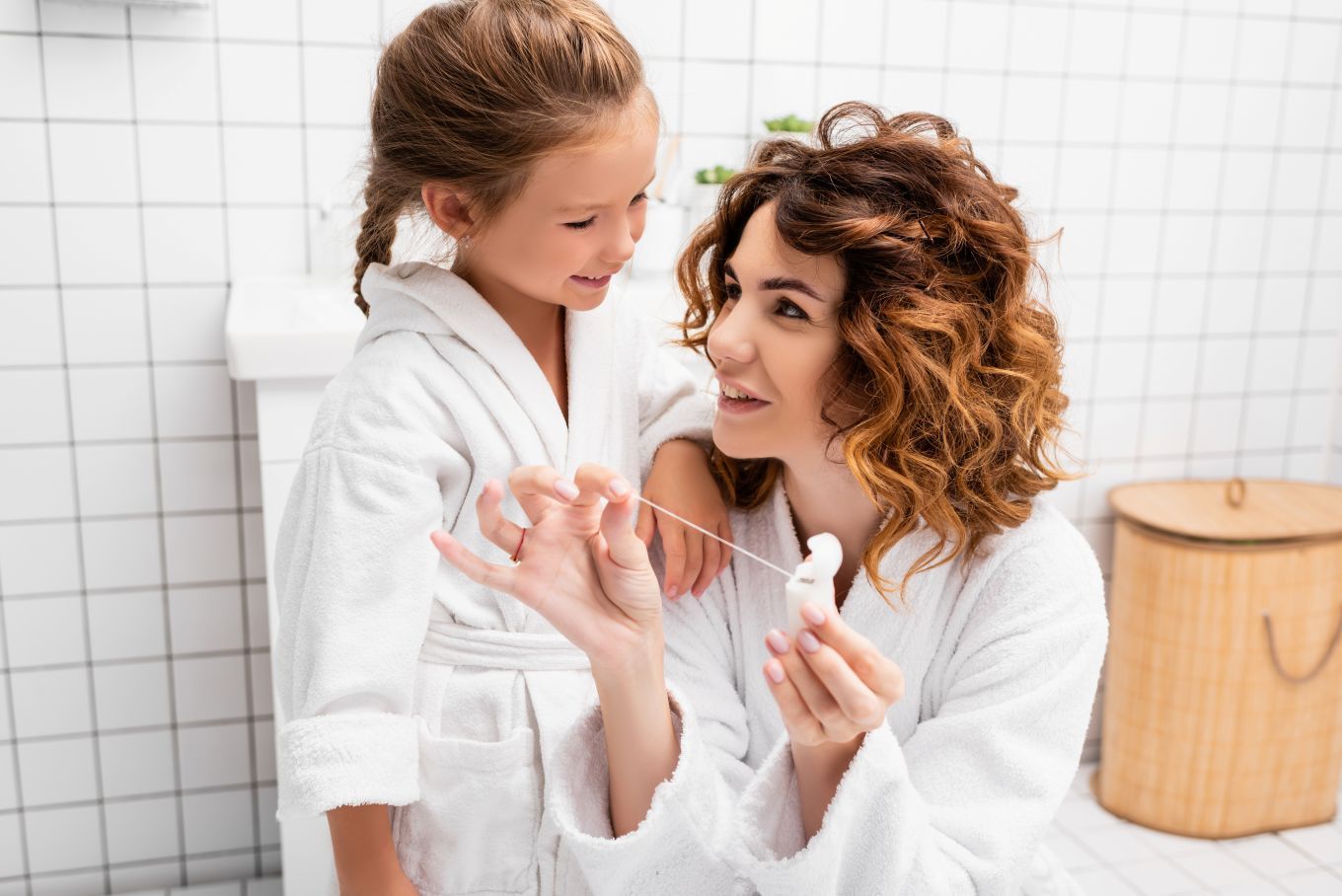
Kids love copying adults. When they see you brushing, flossing, and caring for your own teeth, they learn these behaviors matter. Try:
- Family brushing time - everyone brushes in front of the mirror together.
- Let kids “inspect” your teeth after you brush and vice versa.
- Use humor: make silly brushing faces, foam “mustaches,” or funny noises to keep things light.
When brushing becomes a shared activity, kids feel less singled out and more engaged.
7. Break Brushing Into Steps for Overwhelmed Kids
Some children struggle with multi-step tasks. Simplify the process:
- Wet the brush
- Add toothpaste
- Brush the top teeth
- Brush the bottom teeth
- Spit
- Rinse
Consider visual guides like step-by-step charts or using a mirror to help them see what they’re doing.
8. Use the “Parent + Child” Brushing Method
Young kids don’t yet have the coordination to clean teeth effectively on their own. Dentists recommend:
- Child brushes first (“your turn!”)
- Parent finishes the job (“now my turn!”)
This empowers kids while ensuring proper cleaning.
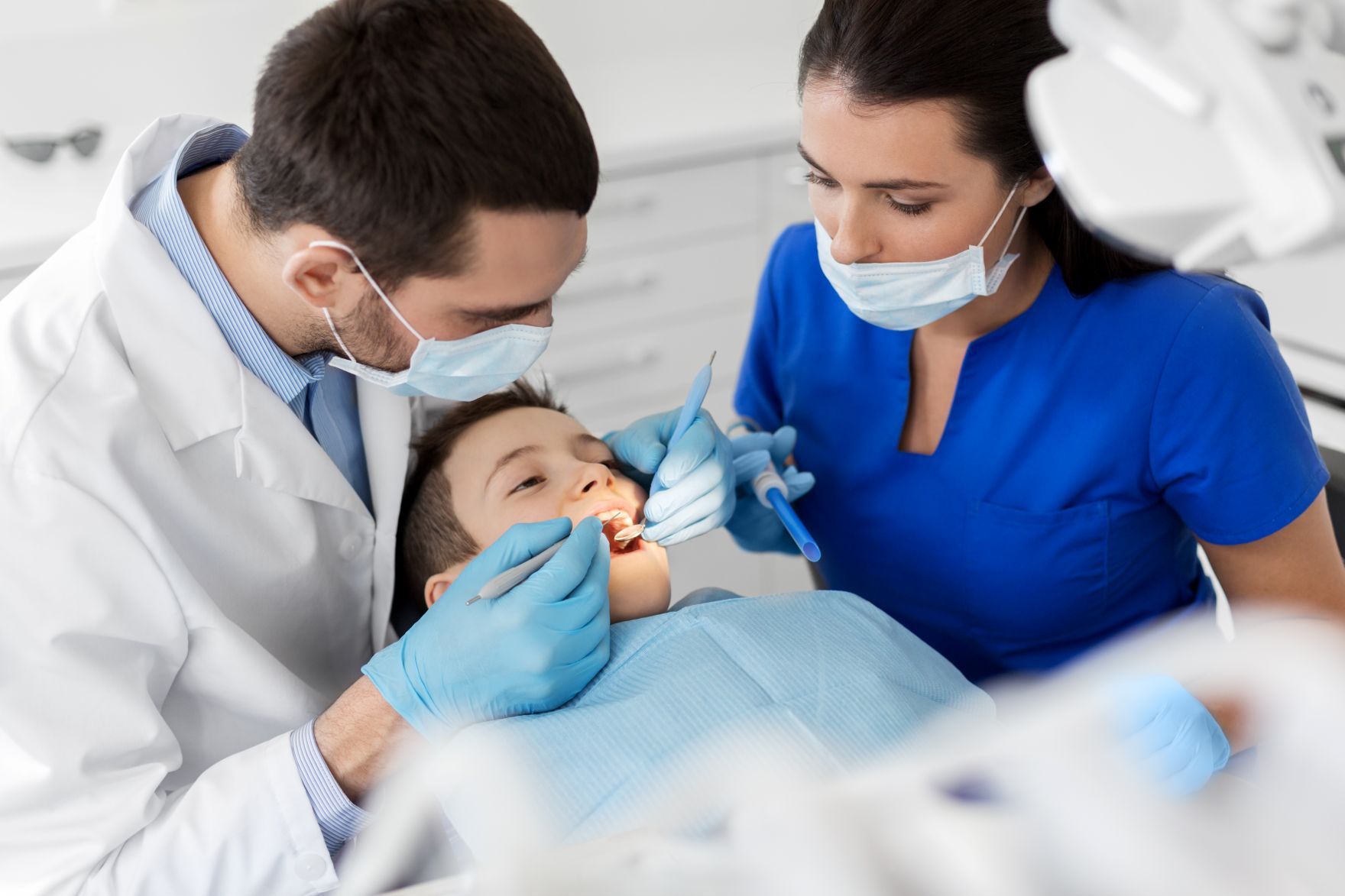
9. Make Dental Visits Supportive, Not Stressful
A
positive relationship with their pediatric dentist can drastically improve at-home brushing habits. At our North Carolina practice, we strive to make each visit:
- Educational
- Gentle
- Fun
- Confidence-building
When kids feel safe and celebrated, they’re more willing to take ownership of their oral health.
10. Reframe Brushing as Self-Care, Not a Chore
Kids respond differently when brushing is framed positively. Instead of: “You have to brush now.” Try:
- “Let’s help your teeth stay strong and shiny.”
- “Let’s take care of your smile.”
- “Let’s make your teeth sparkle like superhero teeth!”
Language shapes perception, and positive language reduces resistance.
11. Validate Their Feelings
For some kids, brushing truly feels uncomfortable. A simple: “I know this feels hard. I’m here to help you.” can reduce anxiety and build cooperation.
Empathy goes a long way, even for quick daily routines.
12. Start Early - Even Before Teeth Erupt
If you’re a parent of a baby or toddler, here’s a powerful tip: start wiping your baby’s gums with a soft cloth after feedings.
This helps your child accept oral care as a normal part of daily life.
When teeth emerge, the transition to brushing is much smoother.
13. Pick Your Battles (and Stay Consistent)
If brushing has turned into a nightly meltdown, step back and assess:
- Is the time of day too late?
- Is your child overtired?
- Is the toothpaste flavor too strong?
- Adjusting the environment or tools can instantly reduce stress.
But consistency matters: never skip brushing, even if some nights require extra patience. Skipping sends the message that brushing is optional - and reversing that idea is much harder.
When to Ask Your Pediatric Dentist for Help
If you’ve tried multiple techniques and your child still refuses, struggles, or becomes distressed during brushing, don’t hesitate to talk with your dentist. We can help by:
- Identifying sensory triggers
- Showing child-friendly brushing demonstrations
- Recommending specialized tools
- Offering guidance tailored to your child’s personality
- Checking for mouth sensitivities or oral development concerns
As a North Carolina pediatric dental team dedicated to helping kids thrive, we’re here to support you in the daily routines that protect your child’s smile.
Final Thoughts: Brushing Can Become a Habit Your Child Enjoys
Even the most stubborn brushers can become confident, enthusiastic tooth-care champs with the right mix of creativity, patience, and structure. Try different strategies, keep routines positive, and remember: progress often comes little by little.
If you’re a parent in the
Fayetteville or
Lumberton area and would like personalized guidance, or if your child is due for a check-up, we’d be honored to help you on your family’s dental-care journey.