Pacifiers and Dental Health: What Parents Should Know
Understanding when pacifier use supports or impacts oral development
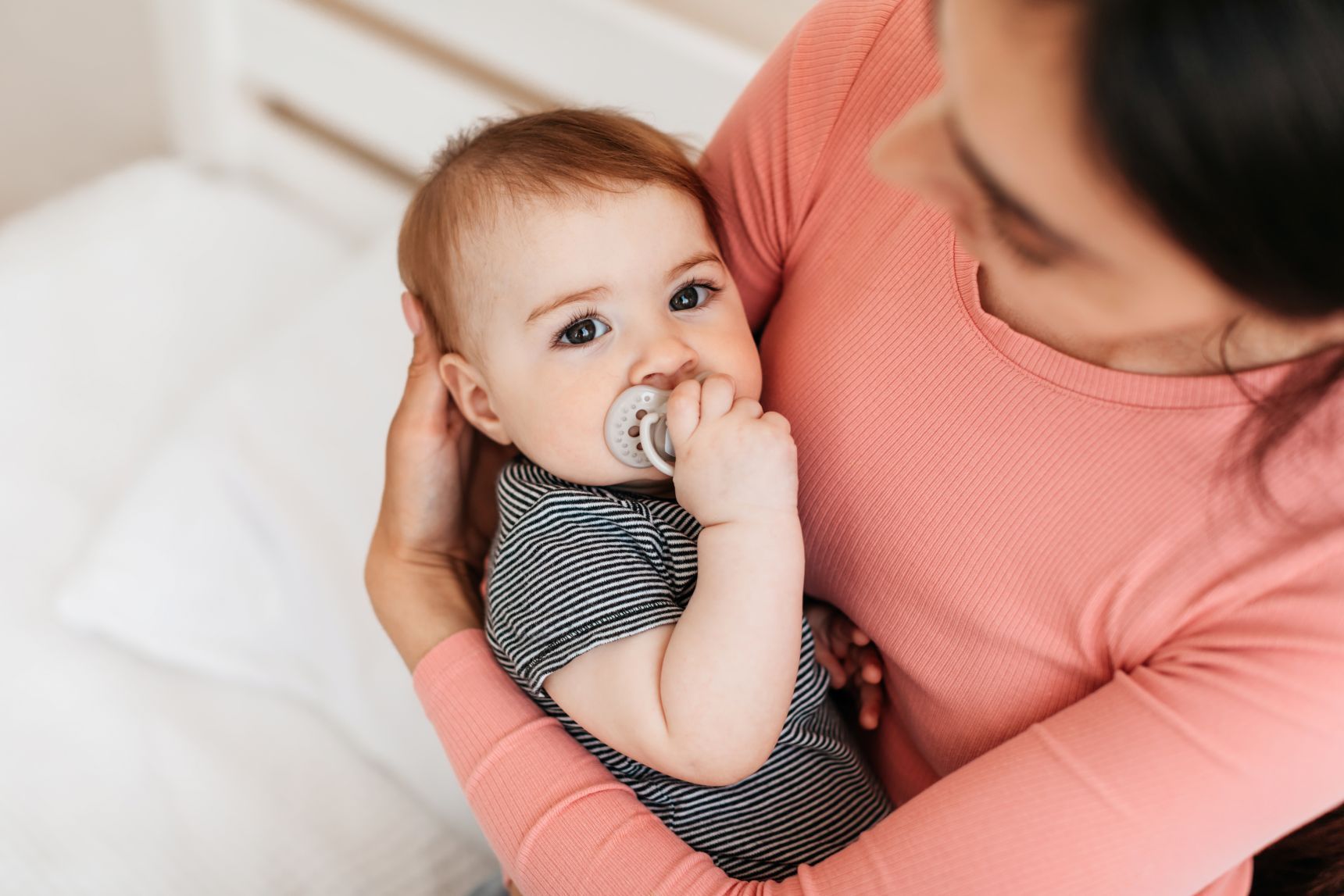
For many parents, pacifiers can feel like a lifesaver during infancy. Whether soothing a fussy baby, helping a child fall asleep, or providing comfort during stressful situations, pacifiers are a common part of early childhood. In fact, many pediatricians recognize pacifier use as a helpful tool for infants, especially during the first year of life.
However, as children grow, many parents begin to wonder: Can pacifiers affect my child’s teeth? Is prolonged pacifier use harmful? When should my child stop using one?
In this guide, we’ll explore the relationship between pacifiers and dental health, discuss the benefits and potential risks, and provide practical tips for helping children transition away from pacifier use when the time is right.
The Benefits of Pacifier Use
Before discussing potential dental concerns, it’s important to recognize that pacifiers can offer several benefits during infancy.
1. Soothing and Comfort
Babies are born with a natural sucking reflex. Sucking provides comfort and security, which is why many infants find pacifiers calming during periods of stress, discomfort, or fatigue.
Pacifiers can help:
- Calm fussy babies
- Reduce crying
- Promote relaxation
- Help babies fall asleep
- Provide comfort during medical procedures or vaccinations
2. Reduced Risk of Sudden Infant Death Syndrome (SIDS)
Research has shown that pacifier use during sleep may help reduce the risk of Sudden Infant Death Syndrome (SIDS). Many pediatric experts recommend offering a pacifier during naps and bedtime during the first year of life, provided breastfeeding is well established.
3. Alternative to Thumb Sucking
Some dental professionals consider pacifiers preferable to
thumb sucking because pacifier habits are generally easier for parents to monitor and eventually eliminate. Unlike thumbs, pacifiers can be removed when it’s time to stop the habit.
How Pacifiers Affect Dental Development
The impact of pacifiers on dental health depends largely on how long a child uses them and how often they use them.
During infancy and early toddlerhood, pacifier use typically does not cause permanent dental problems. The primary concern arises when the habit continues for several years after permanent patterns of jaw and tooth development begin to form.
A child’s mouth, jaw, and facial structures are constantly growing. Prolonged sucking habits can place pressure on developing teeth and influence how the upper and lower jaws align.
Potential Dental Effects of Long-Term Pacifier Use
When pacifier use extends beyond age 2 to 3, children may become more likely to develop certain
orthodontic issues, including:
- Open Bite: An open bite occurs when the upper and lower front teeth do not meet when the mouth is closed. Extended pacifier use can contribute to this condition because the pacifier rests between the upper and lower front teeth for prolonged periods.
- Overbite or Increased Overjet: Long-term sucking habits may push the upper front teeth forward while positioning the lower teeth backward. This can create prominent front teeth, an increased risk of dental trauma, and bite alignment concerns.
- Crossbite: A crossbite occurs when the upper teeth fit inside the lower teeth instead of slightly overlapping them. This condition may develop when prolonged pacifier use affects the growth and shape of the palate (roof of the mouth).
- Changes to Jaw Development: Constant pressure from a pacifier can influence jaw growth patterns. While many mild changes correct themselves after the habit stops, some children may require orthodontic treatment later if the habit persists for too long.
At What Age Should Children Stop Using a Pacifier?
Most pediatric dentists recommend beginning to reduce pacifier use around age 1 and working toward complete discontinuation between ages 2 and 3.
- Before Age 2: For most children, pacifier use before age 2 causes little to no lasting dental harm. Many dental changes that occur during this period are temporary and often resolve naturally once the habit stops.
- Between Ages 2 and 3: This is often considered the ideal window for weaning children from pacifiers. Stopping during this period can significantly reduce the risk of long-term bite and alignment problems.
- After Age 3: The risk of permanent dental changes increases as children continue using pacifiers beyond age 3. By this age, jaw structures become more established, baby teeth are fully erupted, and oral habits have greater influence on bite development.
The longer the habit persists, the more likely it is that orthodontic intervention will be needed later.
Are Orthodontic Pacifiers Better?
Many parents encounter products labeled as "orthodontic pacifiers" and wonder whether they prevent dental problems.
Orthodontic pacifiers are designed with flattened or specially shaped nipples intended to reduce pressure on developing teeth and gums.
While these designs may be somewhat gentler on oral structures than traditional round pacifiers, they are not a guarantee against dental issues.
The most important factor remains the duration of use. Even orthodontic pacifiers can contribute to bite changes if a child continues using them for several years.
Tips for Healthy Pacifier Use
If your child uses a pacifier, there are several steps you can take to minimize potential dental concerns.
- Limit Use to Sleep and Comfort Times: Avoid allowing children to use pacifiers continuously throughout the day. Instead, reserve pacifiers for naps, bedtime, periods of illness, and situations requiring extra comfort. Reducing overall use decreases pressure on developing teeth.
- Choose the Correct Size: Pacifiers come in different sizes, each designed for a specific age range. Using an appropriately sized pacifier helps ensure proper fit and comfort while reducing unnecessary strain on oral structures.
- Inspect Pacifiers Regularly: Check pacifiers frequently for signs of wear, including cracks, weak spots, and loose components. Damaged pacifiers should be replaced immediately to prevent choking hazards.
- Keep Pacifiers Clean: Babies and toddlers frequently place pacifiers in their mouths, making cleanliness essential. Parents should follow the manufacturer's cleaning instructions and replace worn pacifiers promptly.
How to Help Your Child Give Up the Pacifier
Weaning from a pacifier can feel challenging, especially when it has become part of a child’s comfort routine. Fortunately, many children transition successfully with patience and consistency.
- Gradually Reduce Use: Rather than abruptly eliminating the pacifier, many families find success by gradually limiting access. For example, first eliminate daytime use, then restrict use to naps and bedtime, and finally phase out nighttime use.
- Offer Alternative Comfort Items: Comfort objects such as stuffed animals and blankets can help ease the transition.
- Use Positive Reinforcement: Celebrate progress with praise and encouragement. Avoid punishment or criticism, which can increase anxiety and make the transition more difficult.
- Create a Special Goodbye Ritual: Some families create memorable experiences such as a "pacifier fairy" visit, goodbye celebration, or donating pacifiers to younger babies. These approaches can help children feel proud of reaching a developmental milestone.
Signs Your Child May Need a Dental Evaluation
If your child uses a pacifier and you notice any of the following,
schedule a visit with a pediatric dentist:
- Front teeth that do not touch when the mouth is closed
- Teeth that appear pushed forward
- Difficulty chewing or biting
- Speech concerns
- Jaw alignment issues
- Continued pacifier use beyond age 3
Early evaluation allows dentists to monitor development and recommend strategies that support healthy growth.
The Importance of Regular Pediatric Dental Visits
Routine dental checkups
play an important role in monitoring how oral habits affect a child’s development. During preventive visits, pediatric dentists can:
- Assess bite alignment
- Monitor jaw growth
- Identify early orthodontic concerns
- Provide personalized guidance on pacifier use
- Help parents develop age-appropriate weaning strategies
Regular visits allow potential issues to be addressed before they become more complex.
Village Kids Is Here to Help You Break a Pacifier Habit
Pacifiers can be a valuable source of comfort during infancy and early toddlerhood. When used appropriately, they benefit both children and parents and generally do not cause lasting dental problems.
If you have questions about your child’s pacifier habit or concerns about their bite and tooth alignment,
contact our pediatric dentists for personalized guidance.