Drinks That Damage Kids’ Teeth - and Healthier Swaps Parents Will Love
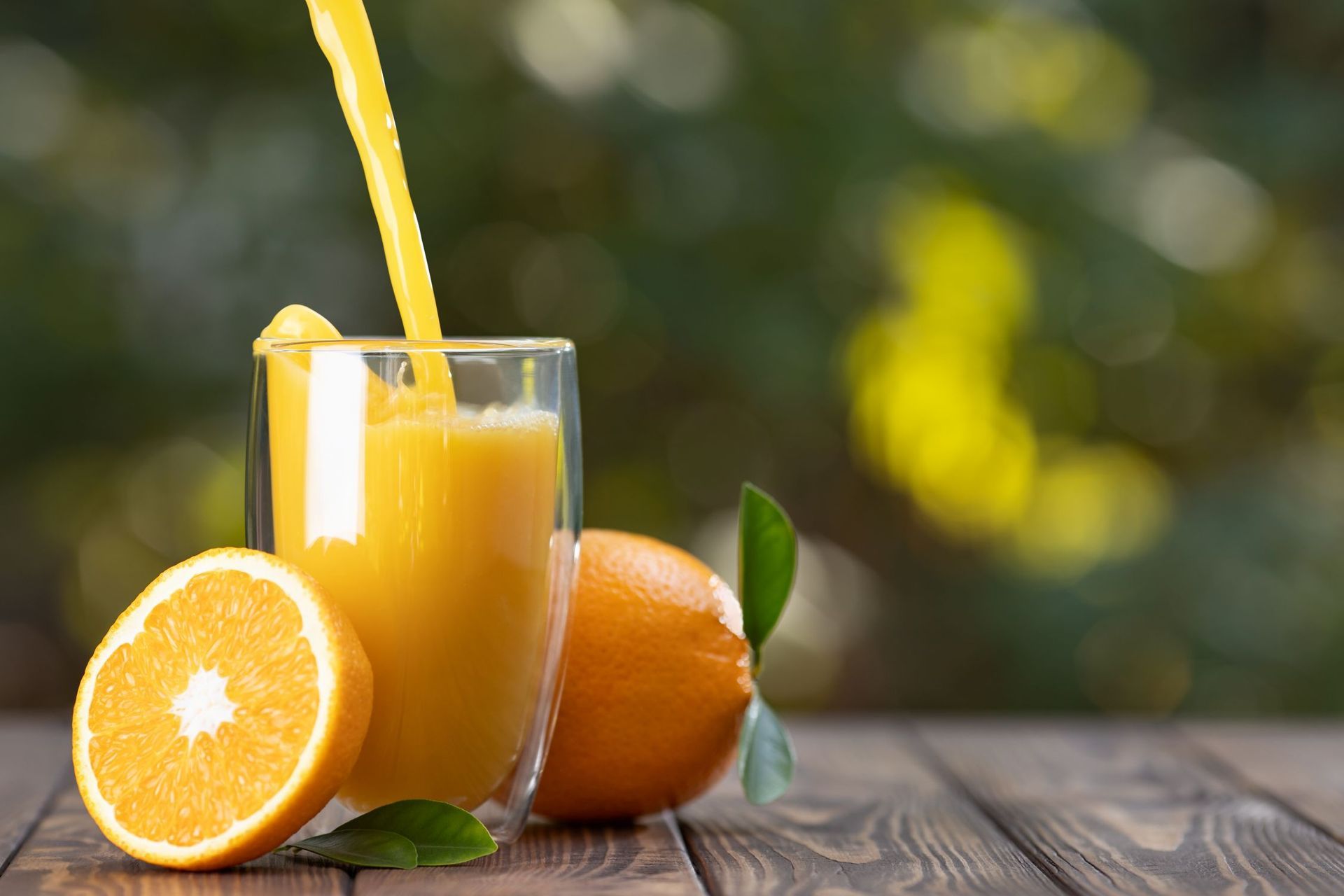
Swap out the added sugar and acid for healthier, tooth-friendly drink alternatives
From juice boxes to sports drinks, many popular beverages marketed to kids can quietly contribute to cavities, enamel erosion, and even long-term health issues. The good news? With a few simple swaps, you can dramatically reduce your child’s risk for tooth decay.
Let’s break down the biggest culprits and explore healthier alternatives your kids will actually enjoy.
Why Drinks Matter So Much for Teeth
Before we dive into specific drinks, it’s important to understand why beverages have such a big impact on dental health.
There are two main threats:
- Sugar: Sugar feeds the bacteria in your child’s mouth. These bacteria produce acids that attack tooth enamel, leading to cavities.
- Acid: Even drinks without sugar (like some flavored waters or diet sodas) can be highly acidic. Acid weakens enamel, making teeth more vulnerable to decay.
If your child is constantly sipping on a sugary or acidic drink, their teeth are under near-constant attack.
The Top Drinks That Damage Kids’ Teeth
Let’s take a closer look at the most common offenders.
- Juice (Even 100% Juice): Juice often has a “healthy” reputation - and while it does contain vitamins, it’s also packed with natural sugars. A small juice box can contain as much sugar as soda. Plus, juice is acidic, making it a double threat to enamel. Limit juice to occasional use and keep portions small (4 oz or less). Offer it with meals rather than as a sipping drink.
- Soda: This one’s no surprise. Soda is one of the worst drinks for teeth. It contains high amounts of sugar, strong acids (like phosphoric acid), and no nutritional value. Even diet soda, while sugar-free, is still highly acidic and can weaken enamel.
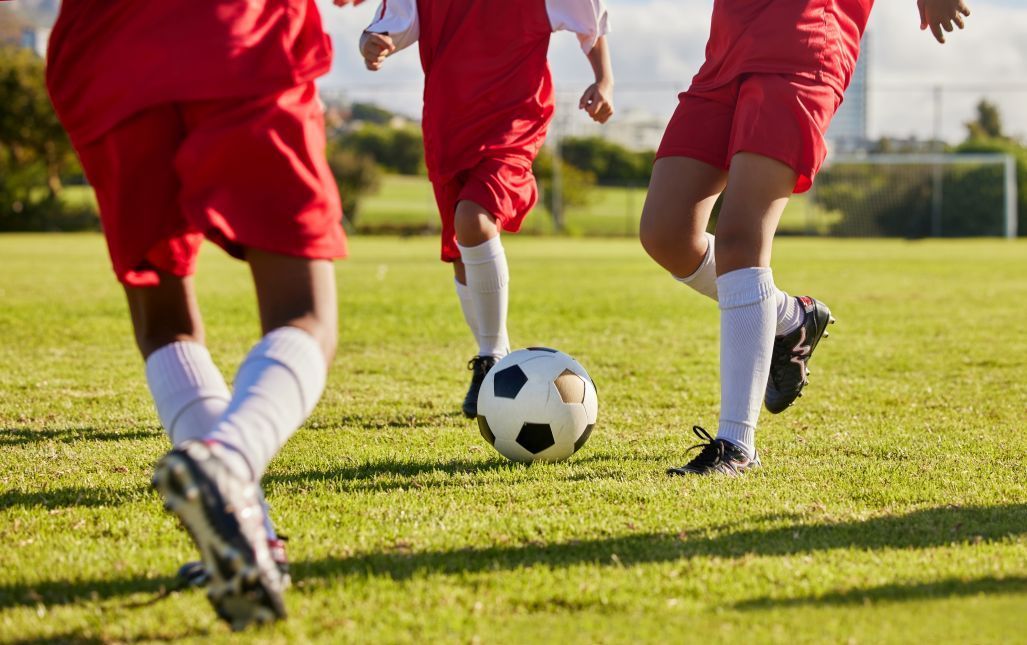
- Sports Drinks: Sports drinks are often marketed as a healthy option for active kids, but in reality, they’re very similar to soda when it comes to dental damage. They contain high sugar levels, acidic pH, and can leave sticky residue on teeth. Unless your child is engaged in intense, prolonged physical activity, they don’t need them.
- Flavored Waters and “Vitamin” Drinks: These can be sneaky. Many parents assume flavored water is a safe choice, but some contain added sugars, citric acid, and artificial flavorings. Even “vitamin” drinks can have surprisingly high sugar content, sometimes rivaling soda.
- Sweetened Milk Drinks: Chocolate milk, strawberry milk, and similar options can be appealing, but they often come with added sugars. Milk itself is great for teeth - but once sugar is added, the benefits can be reduced.
- Bedtime Bottles (Milk or Juice): For younger children, this is a major concern. Letting a child go to bed with a bottle - especially one containing milk or juice - can lead to baby bottle tooth decay. During sleep, saliva production decreases, allowing sugar to sit on teeth longer.
Signs Your Child’s Drinks May Be Causing Problems
Watch for these early warning signs:
- White spots on teeth (early decay)
- Sensitivity to hot or cold
- Visible cavities or discoloration
- Frequent plaque buildup
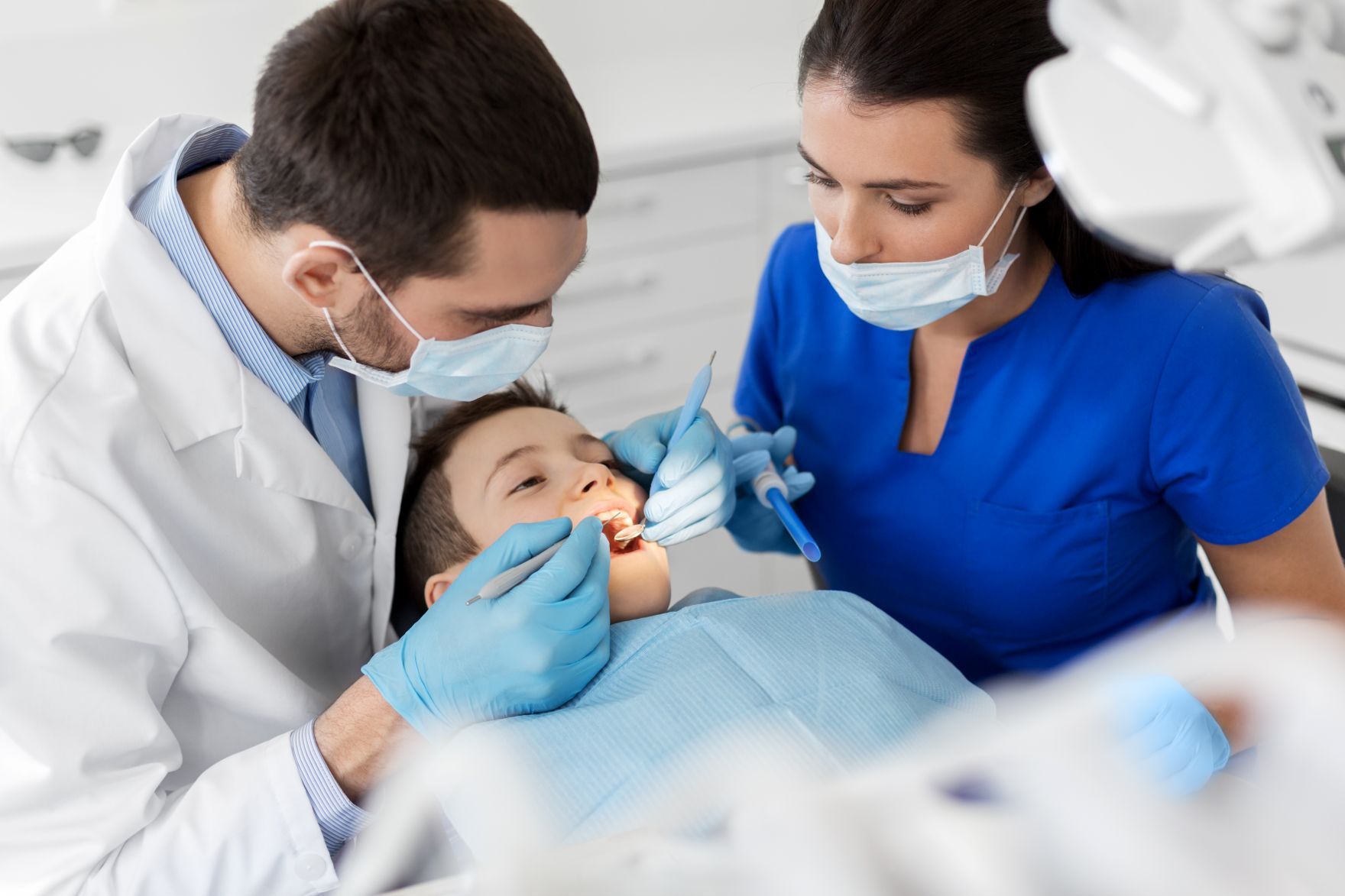
If you notice any of these, it’s a good idea to check in with your pediatric dentist.
Healthier Drink Swaps Parents Will Love
Now for the good part - what should your child be drinking?
- Water (The Gold Standard): Water is hands-down the best choice for your child’s teeth and overall health. Water has no sugar or acid, and helps naturally rinse away food particles and bacteria. Many communities also add fluoride to their water supply, which strengthens enamel. To make water “fun”, consider using colorful cups/straws, adding slices of fruit (like strawberries or cucumbers) for flavor, or letting your child pick their own reusable themed water bottle.
- Plain Milk: Milk is rich in calcium and phosphates, which help strengthen teeth. It’s best served with meals rather than sipped all day.
- Infused Water: If your child finds plain water boring, infused water is a great alternative. Try combinations like: strawberry + basil, orange + mint, or apple + cinnamon. It adds flavor without the harmful effects of sugary drinks.
- Diluted Juice (Occasionally): If your child loves juice, you don’t have to eliminate it entirely. Try mixing 1 part juice with 2-3 parts water and serving it with meals only. This reduces sugar exposure while still satisfying their taste.
- Smoothies (With Care): Homemade smoothies can be a healthier option if done right. Use whole fruits instead of juice, add yogurt or milk for calcium, and avoid added sugars. Keep in mind: smoothies still contain natural sugars, so moderation is key.
Simple Habits That Make a Big Difference
Switching drinks is powerful, but pairing that with good habits makes it even more effective.
- Stick to Mealtimes: Try to limit drinks (other than water) to meal and snack times. Constant sipping = constant acid attacks on teeth.
- Brush After Sugary Drinks (When Possible): If your child has a sugary drink, encourage brushing afterward - or at least rinsing with water.
- Use a Straw: Drinking through a straw can help reduce contact between sugary drinks and teeth.
- Avoid Bedtime Drinks (Except Water): Never send your child to bed with anything other than water.
What About Toddlers and Sippy Cups?
Sippy cups can be helpful, but they can also encourage frequent sipping - especially if filled with juice or milk.
Best practices:
- Use sippy cups for water between meals
- Transition to open cups as early as possible
- Avoid letting kids carry sugary drinks around all day
The Bigger Picture: Building Lifelong Habits
The choices your child makes today shape their habits for years to come. By encouraging healthier drinks early, you’re not just protecting their teeth - you’re setting them up for better overall health.
If you ever have questions about your child’s diet, dental habits, or risk for cavities,
don’t hesitate to reach out to your pediatric dentist. We’re here to help you make the best choices for your child’s growing smile.