The Best (and Worst) Snacks for Your Child’s Teeth
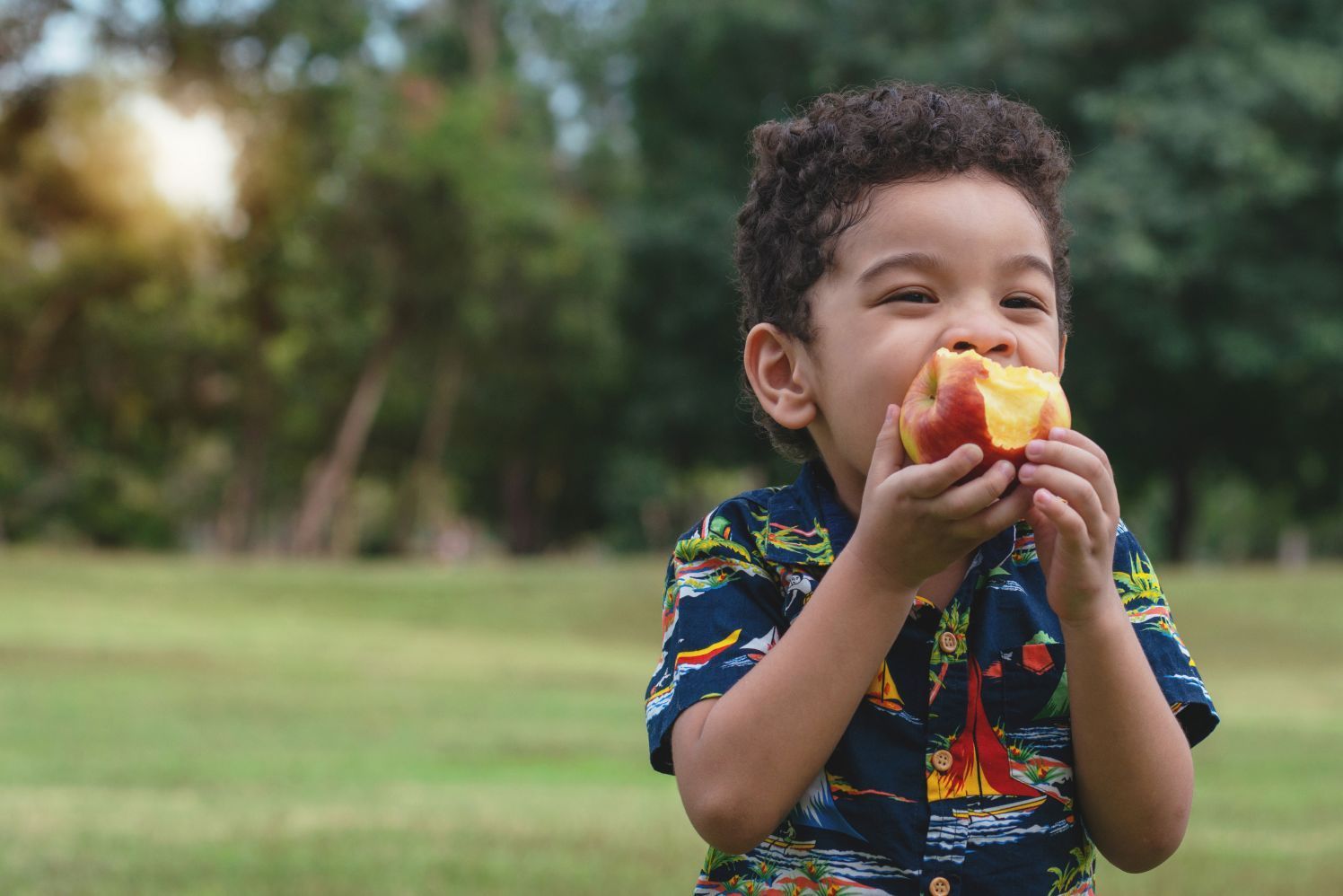
Let’s talk about smart snack swaps that can protect growing smiles
The snack struggle is real. Between school lunches, after-school activities, sports practices, and busy weekends, snacks become a daily staple in our children’s routines. But what your child snacks on plays a major role in their dental health.
But which snacks are actually good for kids' teeth? The answer may surprise you. Some foods that seem healthy can actually increase cavity risk, while others you might not think twice about can actively protect your child’s smile.
Let’s break down the best (and worst) snacks for your child’s teeth — and how you can make smart choices without turning snack time into a battle.
Why Snacking Matters So Much for Teeth
Before diving into specific foods, it helps to understand why snacking
impacts dental health.
Every time we eat, bacteria in the mouth feed on carbohydrates (especially sugars and starches). As they break down these foods, they produce acid. That acid attacks tooth enamel (the protective outer layer of the teeth). Frequent snacking means more acid attacks throughout the day.
It’s not just about how much sugar your child eats — it’s also about:
- How often they eat
- How long food stays on the teeth
- Whether the food is sticky
- If the snack encourages saliva production
The goal isn’t to eliminate snacks (that’s unrealistic!). Instead, we want to choose options that minimize damage and even help protect growing smiles.
The Best Snacks for Your Child’s Teeth
Let’s start with the good news: there are plenty of kid-approved snacks that support healthy teeth.
- Cheese: Cheese is one of the best tooth-friendly snacks available because it’s low in sugar, high in calcium and phosphorus, stimulates saliva production, and helps neutralize acids in the mouth. Cheese can actually help remineralize enamel after meals. String cheese in a lunchbox or cubes with whole-grain crackers make an easy option for busy school days.
- Fresh Vegetables: Crunchy vegetables like carrots, cucumbers, and celery are excellent choices. Their natural crunch helps scrub the teeth as your child chews, and they stimulate saliva flow. Consider pairing veggies with hummus or a yogurt-based dip rather than sugary dressings.
- Fresh Fruits (In Moderation): Fresh fruit contains natural sugars, but it also contains fiber and water, which help balance things out. Better fruit choices include apples, pears, strawberries, and blueberries. Apples, sometimes called “nature’s toothbrush,” can help gently clean teeth due to their fibrous texture. However, timing matters. It’s best to serve fruit as part of a meal or structured snack time rather than allowing grazing throughout the day.
- Yogurt (Unsweetened or Low Sugar): Plain or low-sugar yogurt provides calcium, protein, and probiotics. Be careful with flavored yogurts marketed to kids. Many contain surprisingly high sugar levels. Look for plain greek yogurt, yogurt with less than 10 grams of sugar per serving, or options you can sweeten naturally with fresh fruit.
- Nuts and Seeds (For Older Children): If your child is old enough and there are no allergy concerns, nuts are a fantastic snack. They are low in sugar, high in protein, and full of essential minerals. Almonds, cashews, and sunflower seeds are excellent options for older children who can safely chew them.
- Hard-Boiled Eggs: Eggs may not be the first snack that comes to mind, but they’re packed with protein and phosphorus, which support strong enamel. They’re also filling, which means your child is less likely to reach for sugary snacks shortly after.
- Whole-Grain Crackers: If you’re choosing crackers, look for whole-grain varieties. They break down more slowly than refined carbohydrates and offer better nutritional value. Pair them with cheese or nut butter for a balanced snack that’s less likely to spike cavity-causing bacteria.
- Water (The Ultimate “Snack”): It may not be a food, but water is one of the best things your child can consume between meals. Water naturally rinses away food debris, helps neutralize acids, and strengthens enamel (when fluoridated). Encourage your child to drink water after every snack.
The Worst Snacks for Your Child’s Teeth
Now let’s talk about the troublemakers. Some of these may be obvious, while others may surprise you.
- Sticky Candy: Gummies, caramels, taffy, and fruit chews are some of the worst offenders because they stick to the grooves of teeth and provide a constant sugar source for bacteria. Even brushing may not fully remove sticky residue from deep molar grooves. If your child has candy on special occasions, encourage brushing soon afterward.
- Fruit Snacks and Dried Fruit: Many parents are shocked to learn that fruit snacks and dried fruits (like raisins) can be just as harmful as candy. Although raisins are “natural,” they are highly sticky, concentrated in sugar, and easy to get lodged between teeth. Dried mango, pineapple, and cranberries pose similar risks. Fresh fruit is almost always a better choice.
- Chips and Crackers (Refined): Potato chips, cheese puffs, and white crackers might not taste sweet, but they quickly break down into simple sugars. They also stick in between teeth, get trapped in molar grooves, and create a long-lasting acid attack. If your child eats chips occasionally, have them rinse with water afterward.
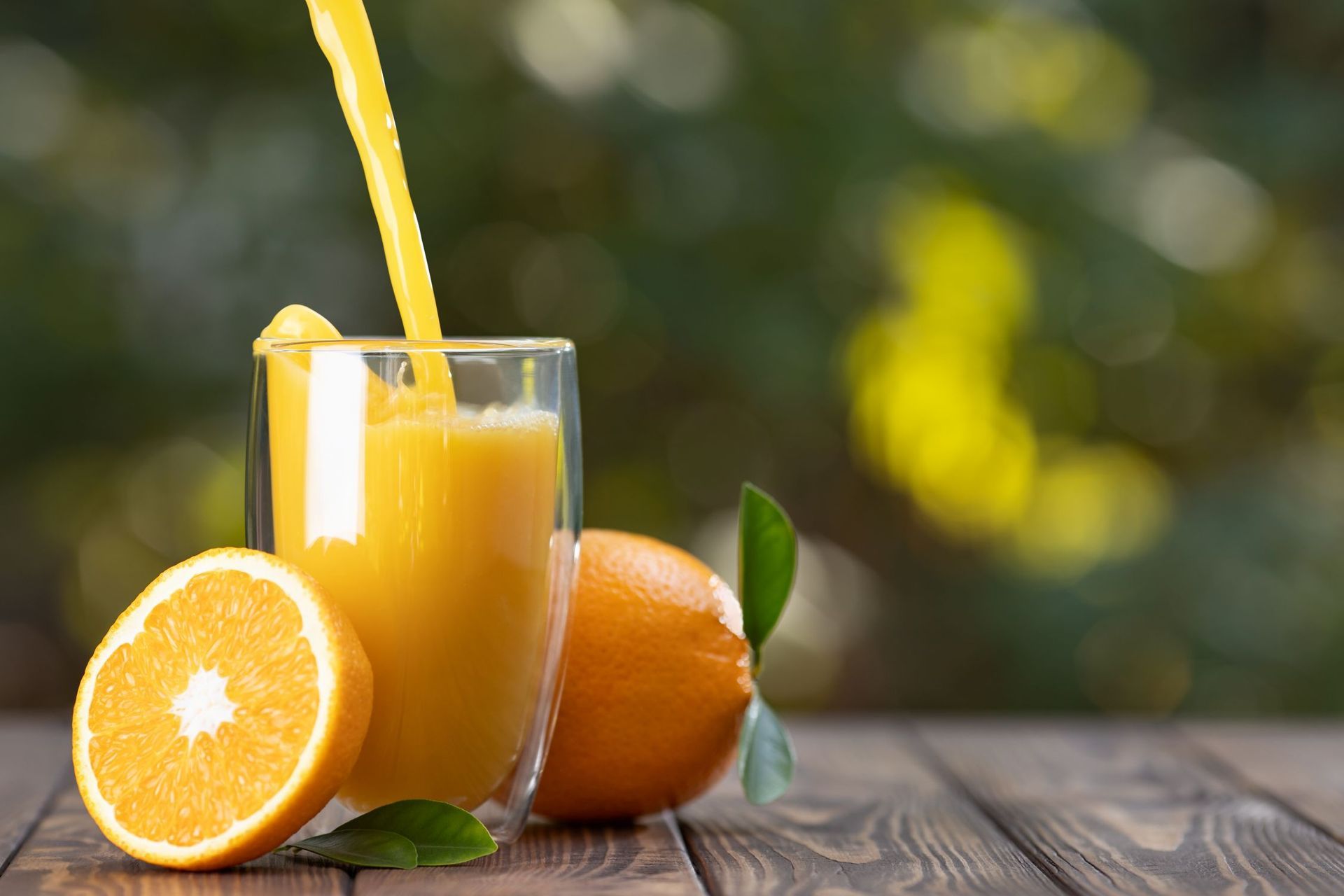
- Sugary Drinks: This includes soda, sports drinks, sweet tea, juice boxes, and flavored milk. Sugary drinks bathe the teeth in sugar and acid. Even 100% fruit juice contains high levels of natural sugar and can erode enamel. Limit juice to mealtimes and serve it in a cup rather than a sippy cup.
- Granola Bars: Many granola bars are marketed as healthy but contain added sugars, sticky syrups, or chocolate coatings. If you choose granola bars, look for low-sugar versions and pair them with water.
Smart Snacking Strategies
We understand real life. Between school drop-offs, soccer practice, dance lessons, and beach weekends, convenience matters. Here are realistic strategies you can implement:
- Stick to Scheduled Snack Times: Try to limit snacks to 1–2 structured times per day. This allows saliva to do its job between meals and reduces constant acid exposure.
- Pair Foods Wisely: Combine carbohydrates with protein or fat. For example: apple slices + peanut butter or crackers + cheese. This slows sugar breakdown and reduces cavity risk.
- Rinse With Water: If brushing isn’t possible (like at school), have your child drink water after snacks to rinse away debris.
- Brush Twice Daily: No snack strategy replaces brushing. Make sure your child brushes twice daily with fluoride toothpaste for two full minutes. If your child is under 8, they still need supervision to ensure effective brushing. Struggling to get your child to brush? Review our article on practical kids' tooth brushing strategies.
- Don’t Forget Flossing: Food stuck between teeth can’t be reached by brushing alone. Daily flossing is especially important once teeth touch each other.
What About Occasional Treats?
We don’t believe in fear-based dentistry. Completely eliminating treats can make them more tempting.
Instead:
- Keep sweets as occasional treats
- Offer them with meals rather than alone
- Avoid sticky candies
- Encourage brushing afterward
Moderation and timing make a big difference.
The Bigger Picture: Healthy Habits Start Early
Snack choices are just one piece of the puzzle. Regular dental checkups allow us to:
- Monitor enamel strength
- Catch early signs of cavities
- Provide fluoride treatments if needed
- Apply dental sealants to protect molars
Early prevention is always easier and more comfortable than treating cavities later. If you ever have questions about your child’s diet or cavity risk, our team is here to help. Together, we can build healthy habits that keep those smiles confident and cavity-free.
Schedule your child’s next visit with our pediatric dental team - we’d love to partner with you in keeping their teeth healthy for life!
Discover additional
healthy eating habits for kids' smiles on our blog.